
7 Signs You Need Water Heater Repair or Replacement
Hot water is one of those conveniences you probably don't think much about until it isn't there. From taking a morning shower to washing dishes and doing laundry, your water heater works behind the scenes every day to keep your household running.
When something starts going wrong, however, determining whether you need a simple water heater repair or a complete water heater replacement isn't always easy.
Some water heater problems can be repaired quickly, while others may indicate that the system is reaching the end of its useful life. Recognizing the warning signs early can help you avoid unexpected breakdowns, water damage, and days without reliable hot water.
Here are seven signs Louisville homeowners should watch for.
1. You're Running Out of Hot Water Faster Than Usual
If your household used to have plenty of hot water but suddenly everyone is racing to be the first person in the shower, something may be wrong with your water heater.
A noticeable reduction in available hot water can have several possible causes. Depending on the type of water heater, the problem could involve a heating component, thermostat, sediment buildup, or another part of the system.
The important thing to pay attention to is a change in performance.
If your normal routine hasn't changed but your water heater can no longer keep up, having a plumber inspect the system can help determine why.
Repair or replace?
A relatively new water heater with a repairable component may only need service. If the unit is older, has recurring problems, or is no longer meeting your household's hot water needs, replacement may provide better long-term value.
2. Your Hot Water Temperature Is Inconsistent
Does your shower start hot and suddenly turn lukewarm? Does the water seem hot one day and barely warm the next?
Inconsistent water temperature is another common reason to schedule water heater repair in Louisville, KY.
Temperature fluctuations can sometimes be caused by a component that needs adjustment or repair. In other cases, they can be a symptom of an aging water heater that is struggling to operate reliably.
Don't automatically assume that inconsistent temperatures mean you need a new unit. A professional inspection can identify the source of the problem before you spend money on a replacement you may not need.
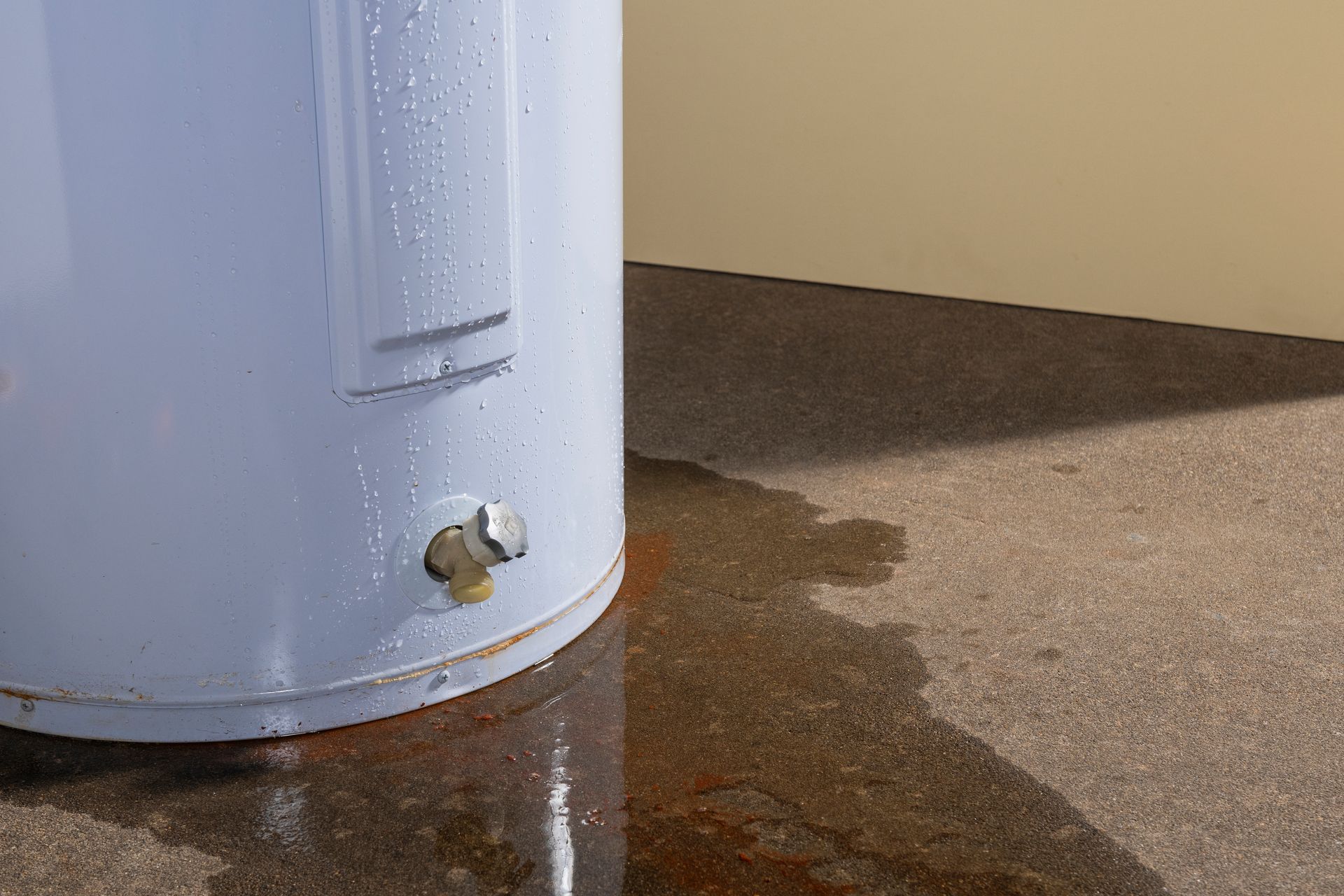
3. You Notice Water Around the Water Heater
Water collecting around your water heater should never be ignored.
First, make sure the moisture isn't simply condensation or water coming from another nearby plumbing fixture. If the water is coming from the water heater itself or its connections, it's time to have the system inspected.
Leaks can originate from valves, fittings, plumbing connections, or the tank itself.
This distinction matters.
A leaking connection or replaceable component may be repairable. A tank that is leaking because it has deteriorated is a much more serious issue and often means the water heater needs to be replaced.
Even a small leak can cause damage to flooring, drywall, stored belongings, and surrounding areas if it continues.
If you discover water around your unit, don't wait for a small puddle to become a larger plumbing problem.
4. Your Water Heater Is Making Unusual Noises
Water heaters aren't always completely silent, but new or unusually loud noises deserve attention.
You might hear:
- Popping
- Rumbling
- Banging
- Crackling
- Knocking
One potential cause is mineral or sediment buildup inside a tank-style water heater. As the unit heats the water, that buildup can contribute to unusual sounds and affect how efficiently the system operates.
The noise itself doesn't automatically mean the water heater needs to be replaced. However, persistent or worsening noises are a good reason to have the unit inspected.
A plumber can determine whether maintenance or repair is appropriate or whether the condition of the system makes replacement the better option.
5. Your Hot Water Looks Rusty or Discolored
If you turn on the hot water and notice discoloration, don't immediately blame your water heater. Plumbing pipes and other parts of the home's water system can also contribute to water quality issues.
A useful clue is whether the problem occurs with both hot and cold water.
If discoloration appears primarily when you're using hot water, your water heater may be involved. Corrosion or deterioration within the system should be professionally evaluated.
This is particularly important when discoloration occurs alongside other warning signs, such as leaks, unusual noises, or an aging unit.
A plumber can help determine whether the problem originates with the water heater or elsewhere in your plumbing system.
6. Your Water Heater Needs Frequent Repairs
One repair doesn't necessarily mean you need a new water heater.
Repeated repairs are a different story.
If you've called a plumber multiple times for the same water heater, or different components continue to fail, it may be time to compare the cost of additional repairs with the cost and benefits of replacement.
Ask yourself:
- How old is the water heater?
- How frequently has it needed service?
- Is it still providing reliable hot water?
- Are repair costs starting to add up?
- Is there evidence of corrosion or leaking?
- Is the unit properly sized for your household?
There isn't a universal answer that applies to every water heater.
At Durbin Plumbing, we believe in practical solutions that last rather than cutting corners or recommending temporary fixes that lead to repeat service calls. A professional evaluation can help you understand the condition of your water heater and decide which option makes the most sense for your home.
7. Your Water Heater Is Getting Older
Age shouldn't be the only reason you replace a functioning water heater, but it should be part of the conversation when problems begin.
The expected lifespan of a water heater varies based on the type of equipment, installation, water quality, maintenance history, usage, and other factors.
That's why homeowners should be cautious about treating a specific age as an automatic expiration date.
Instead, consider age alongside the unit's overall condition.
An older water heater that is leaking, frequently breaking down, producing inconsistent hot water, or showing signs of deterioration may be a stronger candidate for replacement than a newer unit experiencing one isolated problem.
If you don't know the age of your water heater, a plumber can inspect the equipment and help you better understand its condition.
Water Heater Repair vs. Replacement: How Do You Decide?
Not every water heater problem requires replacement.
When deciding between water heater repair and replacement, a plumber will typically need to consider several factors, including the source of the problem, condition of the equipment, repair history, age of the unit, and your household's hot water needs.
Repair may make sense when the water heater is otherwise in good condition and the problem can be corrected reliably.
Replacement may make more sense when the tank itself has failed, the system has extensive deterioration, repairs have become frequent, or the water heater can no longer reliably serve your household.
The goal shouldn't simply be to choose the cheapest option today. It should be to choose the solution that makes sense for your home and helps prevent unnecessary problems down the road.
Can You Troubleshoot a Water Heater Yourself?
There are a few basic things homeowners can safely observe before scheduling service.
For example, you can note whether the problem affects all hot water fixtures, check for visible water around the unit, listen for unusual noises, and pay attention to changes in water temperature or appearance.
Beyond basic observation, water heater diagnosis and repair is generally best left to a qualified plumbing professional.
Water heaters involve water, pressure, and either electricity or gas depending on the system. Attempting repairs without the proper training can create additional damage or serious safety risks.
If you smell gas, suspect a gas leak, notice significant leaking, or believe there may be an immediate safety issue, leave the affected area as appropriate and contact the proper emergency service or utility provider rather than attempting a repair yourself.
Don't Wait Until You Have No Hot Water
Water heater problems rarely happen at a convenient time.
Paying attention to changes in your system can give you an opportunity to address a developing issue before you're unexpectedly left without hot water.
If you're experiencing any of these warning signs, Durbin Plumbing can inspect your system and help determine whether water heater repair or replacement is the right solution.
Durbin Plumbing is a family owned and operated plumbing company serving homeowners and businesses throughout Louisville, KY, and the surrounding areas. Led by Doug and Tina Durbin, our team brings 26 years of experience to the plumbing problems we handle. Our focus is on dependable service, quality workmanship, and solutions designed to last.
Whether your water heater needs a repair or it's time to discuss a new installation, we'll help you understand your options so you can make an informed decision.
Need water heater service in Louisville?
Contact Durbin Plumbing today to schedule an appointment or request a quote.